What Happens When You Open Up Too Fast

You know the feeling.
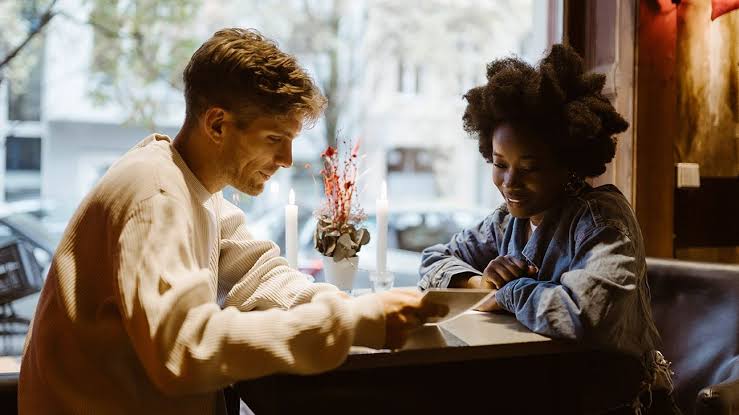
It's 1:15 AM. The date ended three hours ago. You're lying in bed replaying the conversation and somewhere around the forty-minute mark of your mental highlight reel, your stomach drops. Because that's the moment you remember telling a near-complete stranger about your parents' divorce, your fear of abandonment, the situationship that wrecked your self-esteem last year, and how therapy has "really changed the way you see attachment."
On a first date. Over pasta.
They were nodding. They seemed engaged. But now, in the quiet of your own bedroom, the whole thing feels overexposed. Like you handed someone a private journal entry and then watched them read it in real time.
That feeling has a name. Therapists sometimes call it a vulnerability hangover — the wave of shame, anxiety, and regret that follows sharing something deeply personal before you've built enough trust to know it's safe.
And it's quietly wrecking a lot of people's dating lives.
Why This Is Happening More Now
There's a cultural shift worth naming here. Over the past five or six years, emotional openness has been rebranded as a virtue in a way that's genuinely good on balance — people are less ashamed of therapy, more willing to use language about feelings, less likely to perform toxic toughness. All of that matters.
But somewhere in the process, a specific misunderstanding crept in. The idea that emotional availability means emotional immediacy. That being a "healed" or self-aware person means sharing everything, quickly, as proof of your openness and depth.
So people arrive on first dates armed with their full psychological autobiography. They've done the work. They know their attachment style. They've processed their childhood. They're ready to be seen — fully, immediately, by someone they met eleven days ago on an app.
The problem isn't the openness. The problem is the timing.
Trust isn't built by disclosure. Trust is built by watching how someone behaves over time — and then, when you have evidence that they're safe, choosing to let them closer. Skipping straight to the disclosure without the foundation doesn't create intimacy. It creates the performance of intimacy, which is a different thing entirely.
Two Things Get Confused Here
The first is the difference between being emotionally available and being emotionally unfiltered.
Emotional availability means you're capable of genuine connection, that you don't run from depth, that you're not hiding behind sarcasm and deflection every time a conversation gets real. That's a genuinely attractive quality. The person across from you can feel it.
Emotional unfiltered is something else. It's sharing trauma on a timeline that belongs in a therapy session, not a restaurant booth. It's confusing the relief of being heard with actual intimacy. It's performing vulnerability rather than practicing it — because real vulnerability is slow, careful, and contingent on genuine trust. It doesn't download itself in ninety minutes over a shared appetizer.
The second confusion is between being known and feeling known.
When you share something deeply personal and the other person responds with warmth and recognition, it feels extraordinary. Like finally being understood. The problem is that what you're actually feeling is the relief of disclosure — a neurological response to the act of speaking something aloud to another human being. It doesn't necessarily mean this person knows you, or that they're safe, or that what you built in that two-hour window is real. It means the conversation was good and your nervous system liked it.
That feeling is real. The relationship it implies is not yet.
The Hidden Cost of Oversharing Early
There are a few things that tend to happen when someone opens up too fast, too soon.
The first is that it creates a false sense of closeness that often doesn't survive contact with reality. You've skipped the slow, pleasurable process of two people gradually revealing themselves — that long middle stretch where every new thing you learn about someone feels like a discovery. Instead you've short-circuited that process, and what follows sometimes feels anticlimactic. The relationship has nowhere natural to deepen because you already emptied the tank on night one.
The second thing that happens is subtler. Some people who receive a flood of personal information early on feel a pressure they can't quite articulate — a sudden weight of knowing things they didn't ask to know yet, accompanied by an unspoken expectation to reciprocate at the same depth. It can make someone emotionally pull back not because they're unavailable, but because the pace felt overwhelming before they had any foundation to process it from.
And then there's what it does to you. That vulnerability hangover feeling — the morning-after exposure, the wishing you'd said less — erodes your sense of self-possession. You feel like you gave something away you can't take back. Which makes you either overshare again on the next date trying to normalize it, or overcorrect entirely and become so guarded you can't connect with anyone at all.
Neither of those is the version of yourself you want to be dating from.
The Difference Between Depth and Disclosure
This is the part I really want you to sit with.
A first date can be genuinely deep without being confessional. You can have a conversation that feels rare and connecting without unpacking your childhood attachment wounds. The depth of an interaction isn't measured by how much personal history you surface — it's measured by how present, curious, and honest both people are in the actual moment.
Asking someone what they genuinely believe in. Disagreeing about something small and staying in the conversation instead of backing down. Talking about what you actually care about in your daily life rather than what sounds impressive. Admitting that something they said surprised you. Laughing at something you both find genuinely funny instead of performing amusement.
These things create real connection. They don't require you to hand over your therapy notes.
There's a useful internal question you can ask yourself before sharing something personal on an early date: Am I sharing this because it's naturally relevant to the conversation, or am I sharing it because I want to feel seen, validated, or impressive?
If the answer is the second one, hold it. Not forever — just for now. Let that piece of you be something they earn the right to know. Let it be a thing that comes out in month two, when you're sitting somewhere quiet and the context makes it feel right instead of strategic.
The irony is that things shared at the right moment — slowly, after trust has been built — land so much harder. They feel significant because they were chosen carefully. They feel like a gift because you didn't give them to everyone.
What to Do With the Hangover When It's Already Happened
If you're reading this and recognizing a date from last week — or last night — first, stop catastrophizing. One overshare doesn't doom anything. Most emotionally intelligent people can hold more than you think, and if they can't, that's its own useful information.
What you don't need to do is send a follow-up message trying to explain or walk back what you said. That almost always makes it worse. If the conversation felt genuine in the moment, trust that. The hangover is your own anxiety talking, not necessarily a signal that something went wrong on their end.
What you might sit with is the question of why you shared what you shared. Not to punish yourself for it — but to genuinely understand the impulse. Were you nervous and reached for depth as a way to seem interesting? Were you testing them, consciously or not, to see if they'd run? Were you genuinely excited and the words came before the judgment could catch them?
All of those are understandable. And knowing which one it was tells you something useful about your own patterns going forward.
The Slowness Is the Point
There's a version of dating that a lot of people don't talk about because it sounds boring on paper. It's the version where you genuinely pace yourself. Where you leave each date with a few more things you want to know. Where the other person is still a little bit mysterious after six weeks, and you're still a little bit mysterious to them, and there's something genuinely exciting about that instead of anxiety-inducing.
Real intimacy is built in layers over time. It's built through repeated experiences of showing someone a piece of yourself and watching them handle it carefully — and then choosing, based on that evidence, to show them a little more. That process takes months, sometimes longer. And it produces something that an intense night of oversharing can never replicate: the feeling of being known by someone who chose to know you, slowly, on purpose.
You don't have to perform depth to deserve connection. You just have to show up honestly, stay curious, and let the rest come when it's ready.
Have you ever felt that vulnerability hangover after opening up too much, too fast? How did you handle it? Tell me in the comments — genuinely want to hear your experience.